ALL YOU NEED IS LOVE

Why can’t we just love one another?

The Guardian Newspaper at one stage years ago, offered the big questions for readers to respond to.  One of them was ‘Why can’t we just love one another?’ 

Various answers came in – someone in Newcastle replied, ‘because some people come from Sunderland.’

What would you reply? Because some people are dangerous, selfish bastards, murderers, dictators? or billionaires, gypsies, crusties, communists, fascists, woke? maybe they belong to a particular nationality or religion? Or maybe they hurt you deeply.

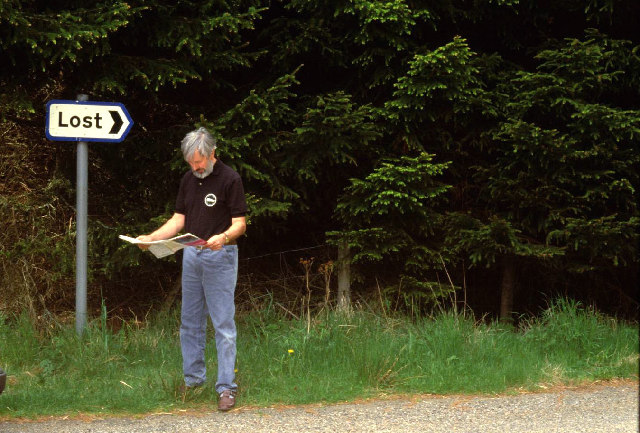
How do we reach across that divide? Or do we even want to? As I said in my previous blog, we all have our different lenses with which we see the world and other people and that affects how we respond to them.

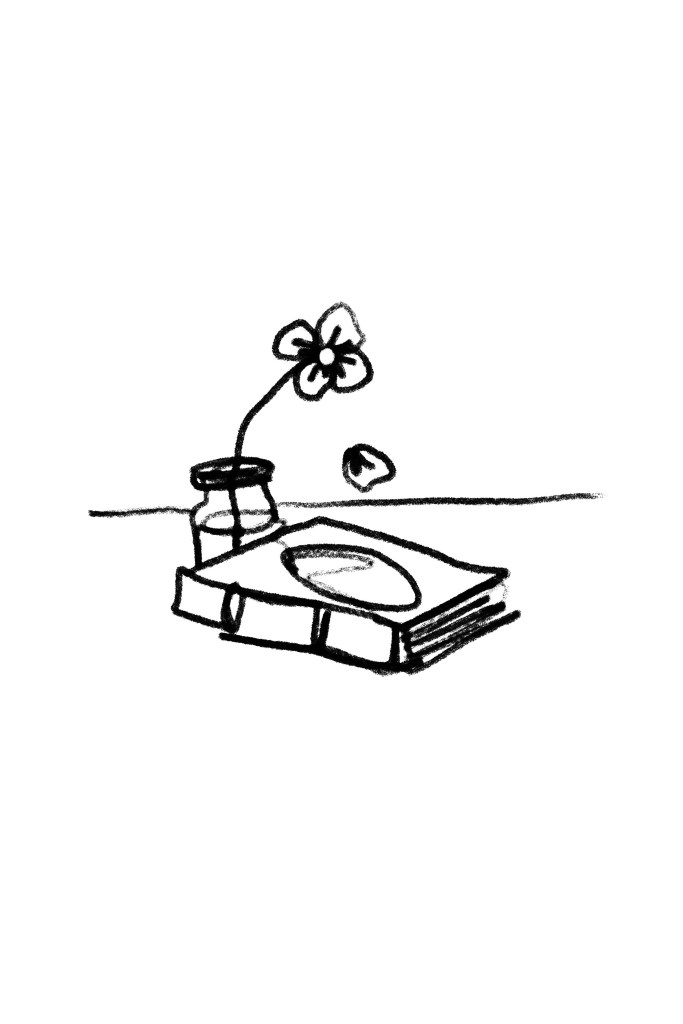
all images created by my niece E.K.Mosley for my book ‘Stephen from the Inside Out’

In my 20s I was one of those who thought that all you need is love.  I was inspired by Jesus who said ‘love one another as I have loved you.’  I lived in an intentional Christian community on the North Devon Coast for 2 years and then worked for 3 years in a Christian residential drug rehab for women. Many of them had been thieves and/or prostitutes to fund their drug habits.  One told me she had sold her mother’s 3-piece suite while her mother was out.  Many had been sexually/physically abused as children. Most, if not all of them, had begun serious drug habits by the age of 12 or 14.  One told me of injecting bleach. Then and now, my body tenses with horror at the thought of what drives a person to do that.

Yet…. Yet… She is the one who gave me the mug below.  The mug which says ‘a beautiful day begins with a little love.’  I still have that mug and if the woman who gave it to me ever reads this, thank you, D.

The other side has a picture of a rainbow.

Yes, some found better lives, but many left to return to drugs, some died. The suffering was deep.

Later I married Tim, moved, worked as secretary and was also part of a church that housed homeless people in the church building. A few would join us for the daily evening services. They were all welcomed.  We would stand in a circle round the altar in the middle of the large gloomy Victorian church with the vicar blessing the bread and wine. We’d be a motley collection of maybe 15 to 20 people: quiet elderly ladies, unwell people muttering, people in work clothes, monks in holy robes, and the occasional drunk man (almost always men) swaying slightly to stay upright and making inappropriate comments. One told me he didn’t expect to live till he was 30. He never did.  I didn’t know anything about his background but I did see the scars on his arms from cutting himself.

My faith at the time, held out that love conquered all, that in ‘the end’ it would all work out. The fact that I was part of a group of people, a church community that welcomed everyone helped me sustain this. But I still felt like screaming at times.

After 4 years, Tim and I left that city, moved 3 times and had 3 children.  6 years later we moved to a suburban area.  By then Tim was a church vicar. It was here that I met Stephen who was under section at a local psychiatric hospital.

I invited him to coffee once a week and occasionally took him to the church but people there avoided Stephen. He had a wary institutional look, wore baggy clothes with cigarette burns. He was tense and restless, would ask people for money and mutter dark things under his breath.   I felt indignant on his behalf but I was also finding him challenging.  He wanted to visit or ring me whenever he wanted. Guilt told me I should say yes but Self Preservation was putting up a fight.

Below is an extract from ‘Stephen from the Inside Out’ chapter 2 (please note that I read chapters back to him and he commented. These comments are in italics):

……………………………………………………………………………..

Stephen kept reminding me I was a Christian, that I was following someone who preached the way of love. ‘Love your neighbour as yourself’, ‘If someone asks, give’. I’d been a fully paid-up Christian for 17 years. What was the matter with me?

In my mind, rather floridly, the Guilt Queen, 
meticulously dressed, appears;
one smart shoe firmly on the windpipe of Self-Preservation.

No-one was helping to share the load and I couldn’t lift the weight.

The Guilt Queen purses her lips:
‘no-one said it would be easy, Susie’.

One Sunday I was standing on the drive of our house with Stephen. He was expecting to come in. I waffled. I fumbled. I said very nicely that it wasn’t a good time for him to come over today. He wasn’t taking the hint. He glowered at me, grumpy and miserable. He didn’t want to go back to the hospital. It was horrible there. Horrible. Horrible. Horrible. Did I know how horrible it was?

The Guilt Queen stands behind Stephen,
inspecting a booklet entitled,
“Hypocrites of the 20th Century”.
She holds Self-Preservation in a headlock.

Did I know how horrible it was?Yes, I knew, yes, yes, yes of course… He pulled his trump card: ‘If you were Jesus, you’d invite me in’.

Suddenly Self-Preservation emits an elemental roar.
Guilt Queen is thrown. White noise.

‘I’m not bloody Jesus!’  I screeched into his face, before storming off, slamming the front door and bursting into tears.

Tim, my lovely husband and also vicar of the church, offered some basic theology,

‘You’re right. You’re not bloody Jesus.’

He then added, ‘If Stephen turns up whenever he wants, you’ll end up being overwhelmed and shutting him off for good and then nobody wins. Lay down some ground rules.’

Stephen surprises me by leaning forward and firmly agreeing with this: ‘Obviously, I needed some ground rules. I didn’t have to go back there. I was informal, I could have gone somewhere else. There was no excuse for my behaviour. All I can do is apologise. Quite frankly, I was a menace.’ He warms my heart; I hadn’t even thought of the other options available to him.

Without that piece of crucial advice, my connection with Stephen would never have survived.

………………………….

Why can’t we just love one another?  What do we even mean by love? Jesus’ version was pretty hard core although he is miss quoted. He said ‘love one another as you love yourself’ – that last bit gets lost.

I grew up with a mix of love being about ‘being nice’ and also ‘being kind to those less fortunate than myself’ and very little about loving myself because (and it was true) I was very fortunate.

As a result, I didn’t feel able to be direct, so relied on people to know social etiquette: not overstaying their welcome, not ringing me at 2am or asking me for money.   I did not understand that love might mean holding my own, being clear, even if I am ‘more fortunate’ than them. That love might mean, knowing that I too have needs and vulnerabilities. Perhaps most important, that maybe love means acknowledging I’m part of the mess, not above it all.

It was a vital awakening and it took me years to wake up to the fact that the problem was not Stephen – Stephen could not be anything other than he was. That was his gift.

Stephen never did ‘get better.’  He lived intensely.  He suffered and he enjoyed the moments that he could.  Below are 2 poems of his, one on a good day and one on a bad day:

POEM ON A GOOD DAY

'Ah the radiant beauty and scintillating charm

of the resplendent flowers, illuminating

the tranquil propensity of the garden

in the bright shining sun.

The persistently beautiful rhythm of the birds

chanting their ecstatic songs.'

Stephen
AND ON A BAD DAY

'This Life –

ah this wretched Life –

for me it seems to have no purpose, no point –

just an agonising struggle –

and I am not strong enough to overcome.

Alas, I am afraid I am not.'

Stephen

So… what about ‘all you need is love’?  Do I still think that? no. I still go with ‘Love others as you love yourself,’  but I see it as a practice.  We practise loving ourselves and others.  We practise receiving love from others. And we practise not expecting an outcome or thanks.  That, in my view is a more than a life’s work.

'In our love,
however little,
we create a web
which breaks a person's fall.'

S.Stead

SEEING THE WORLD THROUGH A DIFFERENT LENS

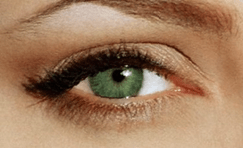
Several years ago, I caught a train for a long journey and sat on one side of a table, next to a skinny boy about 8 years old.  He was sitting by the window and the two people responsible for him sat opposite.  For some reason, I connected them as his carers not his parents (I never asked so I never found out).  He was a wonderfully curious boy and he asked the man opposite, ‘why do we see the colours that we see?  My eyes are brown so why isn’t everything brown?’ The man just smiled.  The woman was more playful, ‘my eyes are green but if I saw everything as green, I’d start arguing with you!

And then because I’d been reading an article on it, I said to the lad, ‘We don’t see with our eyes, we see with our minds.’ He looked at me, wide eyed, then crunched up his face in disbelief.  He ignored me after that and got caught up in some other interesting thing.

What do I mean when I’m talking about seeing?  Receiving a visual image, making sense of it in terms of shape and colour and interpreting that image.    Perhaps at a distance I see something brown, tubular and vertical with a green mass at the top etc and I interpret it as a ‘tree’.   

What do you see below? There are at least 2 entirely different images available to you.   

There’s more. While the eyes receive the visual image, the mind is deciding which images to pay attention to.  We wouldn’t be able to function if we had to take in EVERYTHING we saw all the time and process it.  Mark Williams, clinical psychologist and one of the founders of Mindfulness Based Cognitive Therapy explains how ‘even vision is a simulation’ in his book “Deeper Mindfulness” p20/21.  The mind creates a virtual reality which is then updated when needed.

If you haven’t seen this video before about focussed attention, you might enjoy it.  It is one of several

Our minds pick out what to ‘see’ by focussing on what is significant for us.  It also colours what we see with our opinions, attitudes, and background experience.   I think that lad had something.  We are all seeing reality with different coloured lenses!

I may be contentious here but see how it lands:

Being objective is impossible.

How we ‘see’ a person, will inform how we respond to them and it may have very little to do with who they are.

………………………………………..

Seeing Stephen

In 2000, as part of a church group, I visited a local mental health drop-in social evening.  When we arrived, I separated from the others and looked for someone to talk to.  The room was crowded so what did I ‘see’ in Stephen that made me want to chat with him?  In my book ‘Stephen from the Inside Out,’ I describe him as, ‘in his mid-forties, slightly taller than me with glossy black hair, alert brown eyes and a disarming chuckle.’  I still couldn’t tell you exactly what drew me to start a conversation with this total stranger. I only began to understand why I stayed in contact with him, when I began to write the book.

…………………………………

Twenty years later, I wrote a description of the flat Stephen had lived in for ten years. By then Stephen had died so could not comment. I thought I’d written an ‘objective’ view but when I came to re-read that section, I realised with a jolt that it was not at all objective.  What I chose to focus on and describe in detail was not what Stephen would have chosen.  I wrote another description but kept both in the book to highlight the difference and give the reader this fuller image.

Just for clarity,  ‘our main recording’ refers to me holding a small tape recorder by Stephen as I asked him questions about his life.

…………………………………..

In good weather we’d sit in the garden but our main recording took place in the front room, high ceilinged and squarish, with Classic FM in the background and Charlie the dog wandering in and out. The walls were cream, damp-stained stucco, decorated with a few framed prints plus photos, postcards and large handwritten signs fixed in place with Blu-Tack. The bay windows were covered by faded net curtains and framed by old brown curtains, which trailed in twin heaps on a floor of stained bare boards covered by a threadbare mat.

The door to this room was permanently held back against the wall by a fire extinguisher, and the door handle was used to hang the aprons that Stephen wore to protect his clothes while eating his meals. When you entered the room and faced the windows, the round wooden table where Stephen sat to eat was on your left. One space was held clear by an elderly placemat, while the rest of the surface was taken up by his radio, boxes of medication, cigarette packets, cards and photos, all of which was encrusted with bits of old food.

The table was pushed against the wall and had a pair of simple wooden chairs tucked under it. Between there and the window resided the TV, opposite which were Stephen’s comfy chair and coffee table. This, too, was heavily populated: cigarette packets, lighters, two large ash trays, magazines, rotas for Stephen’s carers, letters, pieces of paper, boxes of earplugs, nasal inhalers and various medications. The two heavily-laden tables were kept apart just far enough to allow a narrow passageway from Stephen’s chair to the doorway.

He smoked 30 to 40 cigarettes a day, so the room was ingrained with the stagnant smell. In the ten years he lived there, the flat received one full clean.

……………………………

That is one way of describing Stephen’s front room. It tells you quite a bit about my view, eg: ‘stained bare boards,’  stuff Blu-Tacked to the walls and piled on the tables ‘encrusted with bits of old food’.  This is not how Stephen would have described his flat.  So  I wrote again, putting on Stephen’s lens.

…………………………

Stephen would have said his flat was ‘special, very special’ because he loved this flat. It was his precious home, and his front room was his safe place. The prints on the wall were ones he’d chosen and the postcards all came from long-standing friends. The pictures carefully blu-tacked on beside them had been cut out from the Country Life calendars that he asked me to buy him each year; prancing lambs and foxes, eagles in flight. Carers had sellotaped encouraging notes on the wall, like ‘Smile Stephen – Think happy 😊’, and the photos balanced on the tables and in front of the TV were of loved ones, his dog and snaps I’d taken of him on outings with my family. The radio and TV were essential: sources of information, humour and sublime beauty. What would he have done without music?’

How different does it feel to read this description? 

Over the course of eighteen years, Stephen slowly taught me another way of seeing….

[Taken from the poem ‘The Teachers’ by John Bell]

…………………..

Coming back to that boy on the train and the people who sat opposite.  Why did my mind snag on them being his parents?  Physically they could have been a fit.  When I reflect on it, it was the lack of some intensity of connection which is my experience of being a parent. And by that I don’t necessarily mean wonderful patience and care.  It could have been irritation, over concern, shushing him, beaming with pride, insisting one of them sit next to him…    Or it could be that my sense of what a parent is, is limited and my brain just didn’t recognise it.

The range of what we think and do
is limited by what we fail to notice.
And because we fail to notice
there is little we can do
to change
until we notice
how failing to notice
shapes our thoughts and deeds.

By: RD Laing

ENDINGS AND BEGINNINGS

Introducing Stephen from ‘Stephen from the Inside Out’

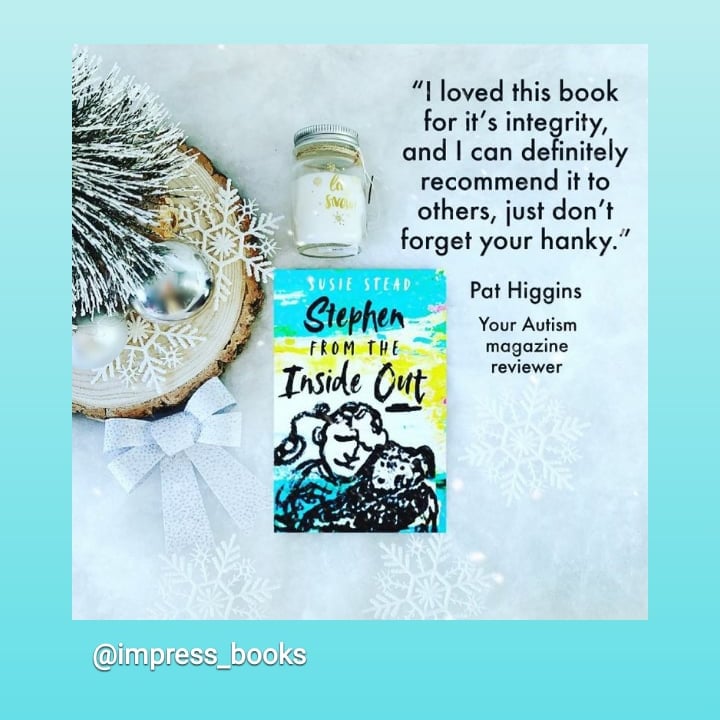
This book was written with Stephen’s permission. I read chapters back to him and incorporated some of his comments in the text (italics). It won the Impress Prize for New Writers in 2019, resulting in Impress Books publishing it on 2nd April 2021 (World Autism Day). Illustrations by my niece, E.K Mosley.

There are so many ways to describe a person and they all only touch a particular surface:

Stephen spent 25 years on psychiatric wards,

Stephen loved animals: “As he said with regularity to me (with no heart-warming exceptions), ‘I hate people, but I love animals.’

Aged 45, Stephen was diagnosed with Asperger’s syndrome, now referred to as Autism Spectrum Disorder (ASD)

Stephen had a lovely smile but insisted he never smiled as a child:

Stephen nods, repeating ‘never smiled’ and adds, ‘I never ate hard-boiled confectionery, you should write that down.’ He cannot abide the sound of the word ‘sweet’ and he doesn’t like me using it.

Stephen smoked probably around 40/day as an adult. When outside he would always stub out his cigarette butt, pick it up and take it to a nearest bin.

So many ways to introduce Stephen to you, but I will begin at the end and share with you the preface to the book:

……………………………………………………………………………………………………………………………..

PREFACE from ‘Stephen from the Inside Out’

It is 2018 and I’m sitting in a small room attached to a public library. I’m here to register Stephen’s death. It is strangely and repeatedly painful to have to keep telling people that he has died. Two days after it happened, I found myself sobbing in the changing room at a swimming pool. Grief surprised me.

The woman registrar facing me is kind and friendly as she asks me questions and fills in the death certificate. Date of birth? 3rd April 1955. Occupation?

In his whole life Stephen had only one paid job, as a road sweeper, and he lost that after a couple of weeks because he fell asleep. I refuse the description, ‘unemployed’. I consider Stephen for a moment, and then I know what to say.

‘Poet.’

‘Retired poet?’

‘No, just poet’

She writes ‘poet’ and then ‘widower’ and we carry on filling in the form, but a warm wave of pride, happiness and grief rises inside me. How I wish Stephen could see that title. He would chuckle with pleasure, or perhaps look at me solemnly and say ‘Susie, I am a poet!’

I’ve kept a copy of that certificate and every time I remember ‘Occupation: Poet’, a feeling of gladness fills me. ‘Poet’ affirms what was central and precious to Stephen, his love of words, the free spirit that would not be silenced.

When I first met Stephen, this was not what I thought. When I first met Stephen, he was a ‘poor soul with mental illness’ who just needed a little help. And I was going to help him.

………………………………………………………………………………………………………………………….

Stephen the poet

Stephen wrote his first poem when he was 11 years old. This next part is taken from Chapter 4 and all of Stephen’s dialogue is transcribed directly from the audio recording I took of the conversations:

Eventually we return to the school and to a seminal moment, when he wrote his first poem. He recounts this to me in the voice of one honouring the sacred: ‘ “The Passing of Steam”. You should write that down. I wrote it. I spent a long time writing it. Four o’clock one Monday afternoon. I wasn’t in detention at all. My English teacher stayed there. My English master was sitting at one end of the room and I was sitting at the other end. He was looking after me while I wrote it. I began writing it at four o’clock and I left there at half past five. I got the late half-past-five train. What a rollicking I got when I got home too! And I’d written that poem. I’d written that poem!’

This was the inspiration, the catalyst for Stephen’s creative direction in life. He carried on writing poetry for the next 50 years.

I’d also written what I call ‘sort-of’ poetry since I was a teenager. I didn’t understand what drove me, until I heard Padraig O Tuama, an Irish poet, explain that he wrote poetry to survive. This from a gay Irishman who lives in Belfast.

     I ask Stephen if he agrees with Padraig. ‘Absolutely right.’

Stephen’s poems are written by hand on A4 pads of lined paper with amendments and crossings-out. Whenever I can, I type them up before they disappear into the mole hills of old post office receipts, charity letters, shopping lists and care agency/DHSS correspondence.

Certain phrases and sentences strike me:

‘An acrylic sensation of despondent desperation and despair.’

‘As the rain so intensely and monotonously yet luminously falls tonight.’

And occasionally surprise me:

‘The sheer ecstasy of the intrepid blackbird protruding onto the waving branches of the tree.’

When I read this back, a deep delighted chuckle emerges from the armchair. ‘Did I write that?’ I confirm that he did and we both laugh with pleasure.

………………………………………………………………………………………………………………………….

I want to finish with a poem that Stephen wrote which I have slightly edited. I have not added anything, but have made a few cuts to shape the poem. This poem is not in the book.

Autumn Day in the Garden with the birds and Hope of a Better Future
Stephen - October 2011

Oh, the rapturous, enchanting song
of these ever captivating, enthralling birds –
They blend in so harmoniously and intricately,
a haze of effervescence
among the fading trees
and disintegrating leaves.

I ponder obsessively and contemplate
a scene of endless paradise and tranquillity,
ensuing from this agonising and yet futile strife.
Hope of an incomprehensible all-pervading rapture,
When travelling days are done.

Election Day Fairy Tale – The happy princess

The Happy Princess : A Fairy Tale with a Twist – By Susie Stead


Once upon a time a long time ago, there lived a king and queen of a great kingdom.  They had one daughter.  Like any parent, they wanted their child to be happy and to protect her from suffering but unlike most parents this couple had the power and the money to achieve their aim.

Their castle, sitting on the crest of long low hill was huge and beautifully crafted. There were rooms for the winter with great fireplaces and walls hung with gorgeous tapestries.  The summer rooms were full of light with delicate curtains fluttering in the breeze. The grounds were vast with a fabulous array of gardens: formal and informal, some with mazes, others rippling with pools and delightful bridges.  There were spots of woodland and pleasant copses for picnics. Wildlife was carefully monitored and the princess enjoyed the pleasures of a wide array of pets from rabbits, puppies and ponies to more unusual pets that visiting royalty brought as gifts.

The King and Queen had a huge wall built around these grounds and their daughter grew up within this enclosure, surrounded by beauty.  Servants and visitors were carefully screened and required to be happy and positive in her presence at all times. Any sickness or death was hidden from her.  The word ‘death’ was hidden from her. When a pet became old or ill, it was put in a pretty carriage driven by a coachman in a silk top hat and two frisky ponies at the front. The princess would feed her pet its favourite treat and wave it off, secure in the knowledge that it was being taken to a very special home where all its friends were waiting for it. Another delightful pet would appear in its place.

The Princess was blissfully happy.

As she grew older, inevitably she grew more curious as to what was beyond the wall. That curiosity grew into a somewhat irritable obsession.  This was not acceptable to her parents so with strict instructions, she was taken out into the streets in the coach. The coachman tried to keep her within the area that her parents had required but the princess simply stepped out of the coach and ran off laughing. What she found down the lanes of that town stifled her laugh.  Skinny smelly children, women holding babies and begging from shop keepers, people wandering about in a strange assortment of old clothes talking nonsense, others with strange lumps and bumps on their bodies or missing limbs altogether.  There were people arguing or walking under heavy loads with bitter tiredness on their faces. When they saw her, they stared and then quickly moved off when they saw the coachman running up towards her. The suffering she saw there overwhelmed her and she let the coachman lead her back to the carriage and back to her home.

Once she had time to recover from the shock, the princess knew what she must do. She told her parents she wanted to make it all better, she wanted all those people to be happy. Her parents tried to tell her that these people were used to their way of life, they were mostly lazy or brutalised and would not appreciate her warm and caring heart.  However, to please her they gave her a generous allowance which she spent on the poor.  The poor were very grateful.

However, there came a day when an arthritic old man refused her gift of a thick warm coat. She’d never been refused before and became quite agitated. She wanted him to be warm and happy, why was he refusing this? As she argued, he stood watching her in silence. An elderly woman passing by muttered, ‘Don’t, it will do no good’ but the old man made a different choice. He decided to tell her the real problem; her parents.  It was they who were the main employers in the area. They paid low wages and charged high taxes.  They owned all the properties and when people could not pay the rent, they were made homeless.  Perhaps if she could speak to her parents, they might make changes that would make a real difference.  The princess felt a welling up of feelings that she didn’t recognise. She was angry and upset, hurt and very, very unhappy. She found the coachman and asked him to drive her home.
Once she had time to recover from the shock, the princess knew what she must do. She told her parents about the old man and his accusation. She told them that she didn’t like these terrible feelings that were in her and she wanted them to go away. Her parents promised her that what the old man had said were dreadful lies.  He was a wicked and ungrateful man – after all, she in her kindness had offered him a beautiful, warm thick coat and he’d turned it down.  Everyone else was grateful.  The princess was not to worry and they would make sure everything ended happily.  They had the old man brought before the court, tried and summarily executed for treason.

The Princess never left the castle grounds again.  She married, had one daughter and lived happily ever after.

EXTINCTION – It’s just not cricket

On 8th October 2019, several people were playing cricket on the road round Parliament Square, in front of Westminster Abbey.   A few thousand others were busy stopping the traffic in 12 different localities.  On the back of this person’s shirt is written the words:  ‘Extinction – it’s just not cricket.’  This was the beginning of the London October Extinction Rebellion.

In my last blog I said that my deepest wish was not to be afraid but to play in the sand of my life.  As I’m sure any child psychologist would tell you, play is a vital thing for healthy growth in children.  I don’t think it stops being important when we are adults.  Surely, part of play is trying out new approaches, new ways to do things, playing with what its like to be someone else, being creative…

Over the last two weeks, Extinction Rebellion (XR) activists played, with great seriousness but also with great creativity and often great courage.  Some of it you might agree with and some you might not.  We’re in the midst of huge change and what is called the 6th mass extinction.  If we want the wonderful diversity of life that inhabits our planet to survive, we have to wake up and change, radically.

READ THE SCIENCE!

(you can start with the IPCC report :International Panel on Climate Change https://www.ipcc.ch/sr15/)

We need to challenge ‘business as usual’, suggest alternatives, act them out.  The three demands of  Extinction Rebellion to governments are:  Tell the Truth, Act!, and create Citizens Assemblies (similar model to juries) to take this out of party politics.

Throughout the two weeks of the London Rebellion, people met in People’s Assemblies to plan, make decisions and check in with each other. On the Telegram app there were often messages reminding us to look after ourselves. There were constant reminders that this movement is Non-Violent and when we start feeling the rage rise, we need to step aside.  Everywhere there was a conscious choice to speak reasonably, to hear one another and to ensure non-violence was our signature. When the police started arresting people and the temperature was rising, people who had trained in de-escalation would step in and often someone would start a song to help restore the peaceful mood. We’d  sing to the police ‘We love you police’ and sometimes add ‘we’re doing this for your children.’

Below is a taster of  my experience of the London Rebellion (there were events around the world). I was only up there on 4 of the days and I didn’t camp.

On the Monday 8th October at 8.30am, as requested, a number of us gathered incognito at Parliament square. Police were everywhere and searching people and it was nerve wracking.  A group of us XR Meditators stood at a bus stop on Whitehall ‘waiting for a bus.’  We then moved towards the Women’s memorial.  We’d been told:  ‘when the man with the yellow umbrella walks onto the road, everyone go’.  It was like some sort of strange comic farce.  The man with the yellow umbrella walked out and we all ran onto the road. The police ran after us and a policeman grabbed me and pushed me off the road.  I saw Tim go back onto the road several metres down so I followed.  Someone shouted ‘sit down’ and we all sat down and that was that.  A couple of hundred activists sitting in the road and we’d done it! Whitehall had been ‘taken’ just outside Downing Street.

It may help to know that the people who’d come with me and were sitting with me were mostly quiet introvert types: buddhists, meditators, psychotherapists, nurses, gentle souls.  It was extraordinary.  On that first day, we as a Meditators group, offered meditation on the hour every hour for 10 to 15 minutes and despite the noise, we kept silence and others joined us.  I found it surprisingly easy as all the noise outside drowned the usual panoply of noise inside my head!

I didn’t see it but later on a giant pink octopus travelled down towards Whitehall and got kettled by police.

On the Wednesday some of us came

back     and we walked around the different sites.  By St James Park we saw some ‘birds’ fly past while a young man entertained children by making huge bubbles.   Just out of sight is a wooden frame with a young woman on top. In front of her is a crowd of people ‘holding the road’ and a cherry picker has been brought over to remove her.

Later we came back to find an indomitable woman in a wheel chair who had fixed herself to the road with several people attached/glued on to her wheel chair. We helped put the blue plastic over to protect them from the rain.

Coming out by Methodist Central Hall, Parliament Square were some phoenixes and an uncooperative crusty 🙂

These birds joined a band drumming a rhythm that got me dancing in the street.  Shortly afterwards, I saw the young man who led the dancing, gluing himself into his tent on the road in front of Westminster Abbey, while police were arresting and removing others.  I hope you are ok, Patrick.  Further along, I watched as 3 police officers unzipped a tent, read the rights to the person inside and then dragged him out and arrested him.

On an impulse I sat down in the tent.  A policewoman came back, furious and told me I was illegally sitting in someone else’s property.  When I said I was just looking after it for him, she grabbed me by the arm and almost literally ‘threw’ me out of the tent.  several XR people surrounded me to see if I was ok and to offer me care and biscuits.

Down Whitehall, walking back towards Trafalgar square, a group of Australians had decided to appear as jumping kangaroos.

Over the days we watched as the Red Rebels wove their silent way through the crowds.  This time they arranged themselves in front of the Women’s Memorial.

Up in Trafalgar square Extinction Rebellion had found other creative ways to block the road.  Police had stopped them bringing boats into London, so instead, someone drove a hearse in, with a coffin that had ‘Our Future’ written on it.  Two men sat in the front of the hearse, one locked on to the steering wheel.

The police moved in over the days arresting more and more people and gradually clearing the 12 different sites yet XR members continued to act.

On the Saturday we joined the march from Marble Arch to Russell Square, a sombre and highly imaginative funeral procession that allowed rebels to grieve for the ongoing ecocide. The march drew a crowd of more than 20,000 people, despite near continuous rain, and brought Oxford Street to a standstill for several hours. I brought my sign and walked with friends very slowly for over 3 hours.

The view from above was impressive.

On the Sunday the police slapped a section 14 on the whole of London for Extinction Rebellion which meant they could arrest anyone anywhere in London. In response, at least 1000 people gathered in Trafalgar Square.

In spite of this section 14, I came back on the Thursday 17th, a day before the Rebellion officially ended and joined a variety of working people; librarians, nurses, university lecturers, professional coaches, engineers, farmers, scientists etc etc. We marched to Trafalgar square, heard from some of these people and then finished the day with a mass meditation. There was a wonderful medley of faiths and philosophies represented and offerings included inviting everyone to bellow out 3 Ohms, sing a Taize chant “Ubi Caritas” and the first verse of “Amazing Grace” with particular reference to the words ‘I was blind and now I see’.

What is it about this movement that matters to me?  It’s thoughtful, creative, non-violent and aims to be as inclusive and democratic as possible. It can get somewhat chaotic and messy but creativity in my experience is not tidy.  XR is challenging those in power to make systemic change, it dreams of a different way of living which is fairer,  sustainable and which honours, not destroys our beautiful planet. It is waking people up to the fact that Climate change is happening now.  People and creatures, trees & plants are dying now.

Is it worth all this effort when we may not succeed?  As my son put it, ‘you mean we might make this world a better place, for nothing?’ !  Even if we don’t ‘succeed’,  it is so heartening to be in the company of so many people who want to create a better world and want to do it actively and non-violently.  Many people on the rebellion joined in workshops on non-violence and discovered how to relate to each other in healthy, creative ways, how to notice and channel their anger and fear.  That’s got to be good 🙂

This movement is following in some very honourable footsteps: the Suffragettes,  Gandhi, the Civil Rights Movement and many others.  There are older footsteps to honour: for me, the Jesus who challenged the authorities and who turned over the tables of the money changers.

For the love of this beautiful earth and for all living beings in it, lets make a stand.  After all, extinction is ‘just not cricket’.

Coming back to what matters

About 16 months ago, I and Tim left an entire way of life behind.  About 13 months ago a friend of mine, Stephen, left his entire life behind because he died. Within the space of 4 months, three friends of mine died. On the day I was told that Stephen had died, 13th August 2018, I had just spent the morning reflecting & brainstorming, ‘what is my deepest wish?’


In writing down the thoughts,  the most repeated phrase was ‘I do not want to be afraid’.  It finally formed into the following: My deepest wish is to play – to allow myself to make different patterns in the sand of my life and then allow the tide to wash them away.


As I finished writing , the phone rang and a voice said ‘Are you sitting down? Stephen has died.’


PLAYING LIFE AND LETTING GO  

I will play in the sand of my life

because it is sand

And its

Running

Through my fingers


Let us play together,

Let us build strange structures

Dig ditches

and fill with them water.

Let us create

Extraordinary shapes in

the sand and delicate

Patterns with shells and

Stones.


Let us play together

Create together

Argue

Fight

Laugh


Then watch the sea

In leisurely fashion

Erase

Our precious

Designs


And let them go

And let them go.


Over the coming year I played.  It was very serious play.  I discovered what it was like to be the executor of Stephen’s will, to become a mindfulness teacher,  to live in a home that was not public property (ie belonging to the church), to live without a car, and many other things.  I also discovered Extinction Rebellion.

What I kept finding was that I’d appreciate something valuable and then get carried away into planning, angsting, plotting or being utterly overwhelmed and then lose touch with the original experience.  Meditation would eventually bring me back.  That is one of the beauties of mindfulness.


So, with Climate Change and Extinction Rebellion.  I feel a deep love for this good earth:  my dog’s hairy face, the hundred different shades of green in the garden,  the crunch and taste of cox’s apples, the view from a hill I’ve just climbed…  Then I get caught up, rushing, worrying about whether to get arrested or not, becoming in turn furious, despairing and weepy over the burning of the rainforests, the destruction of the coral reefs and more.   That is not to be avoided but I also need to keep coming back to what matters, to let ‘the soft animal’ of my body love what it loves (see below: Wild Geese, by Mary Oliver).


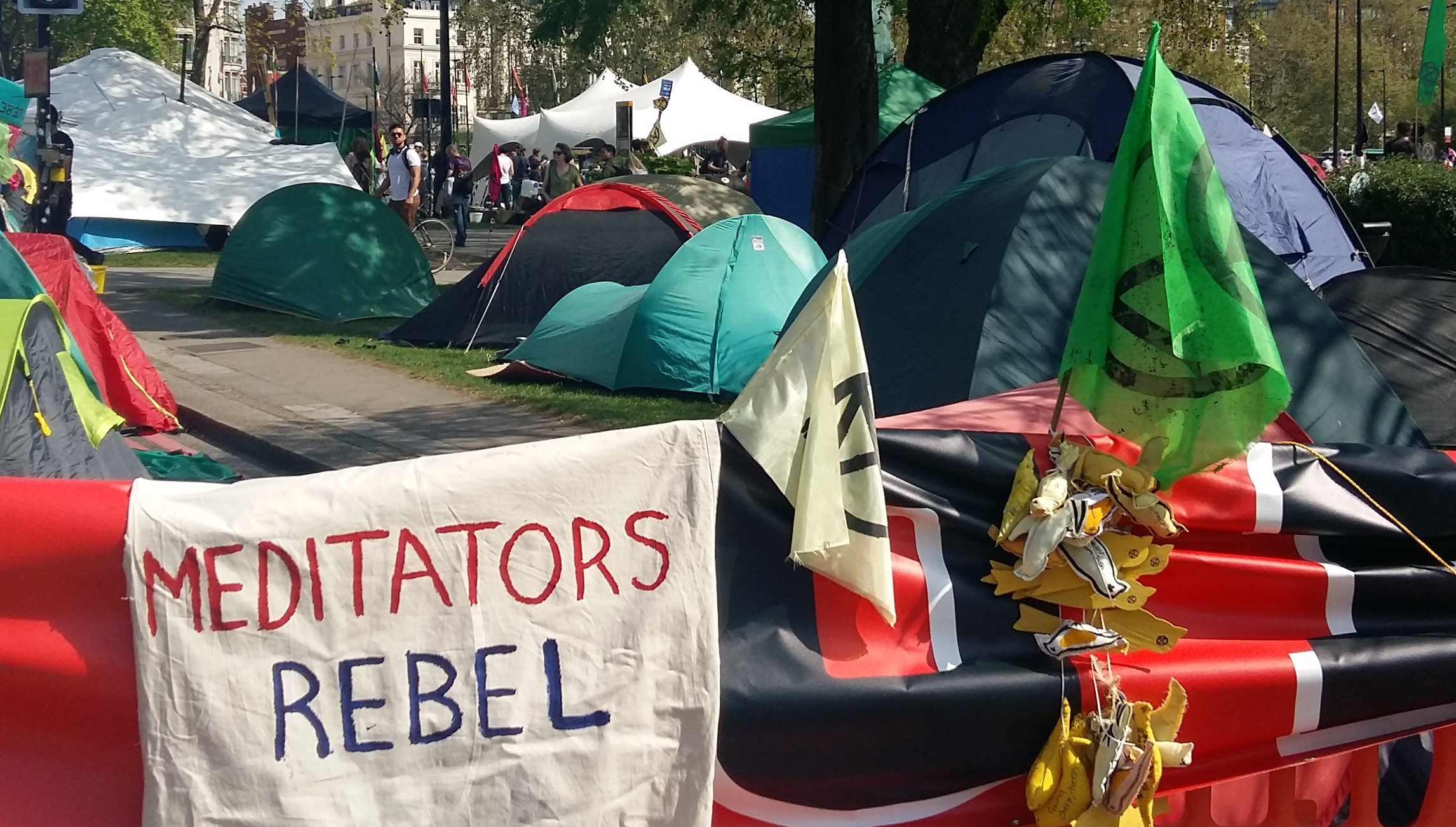
In April, Tim set up an Extinction Rebellion Meditators Group,  a group of meditators who want their action to come out of their meditation, and in keeping with the ethos of Extinction Rebellion, want to respond deeply to this climate crisis, not react by pursuing a narrow ‘solution’ or finding enemies to hate.

It’s quite a challenge!  The group helps anchor me and keep me coming back to what matters:  connecting with the earth, myself, others, – discovering what contribution we can make, not only in relation to the climate crisis but in relation to what sort of people we want to be, what sort of society we want to live in.

Last year, two weeks before my friend Stephen died, I visited him in the nursing home he was in.  He was only 63 years old but by now he was an invalid.  He was in a wheel chair but he’d survived so much, it didn’t occur to me that he’d be dying anytime soon.  I had to travel 100 miles to visit him and was going to ‘fit in’ a visit to someone else as well but just in time, I recognised that push to ‘efficiency’ and chose deliberately not to do that and therefore not be rushed.

In the event, we sat on the porch outside his nursing home for nearly 3 hours, mostly in silence, as the sun slowly went down.  He’d had a lifetime of mental health issues and was struggling with his ‘voices’, I was struggling with the desire to ‘get on’ and with the irritation of having to light his cigarettes every 15/20 minutes by walking over to my car where there was fixed lighter.  Yet still, for large chunks of time we sat peaceably together.  When the nursing assistant came out to collect him, I said with feeling, ‘Thank you Stephen,’ meaning, thank you for the space to sit in silence together, to watch the sky change colour, to be present, to be here.  And Stephen said ‘Thank you for sitting with me’.

That was the last time I saw or spoke to him before he died.


What is your deepest wish? Or wishes.

What is it that matters most deeply to you?

Make time to remember


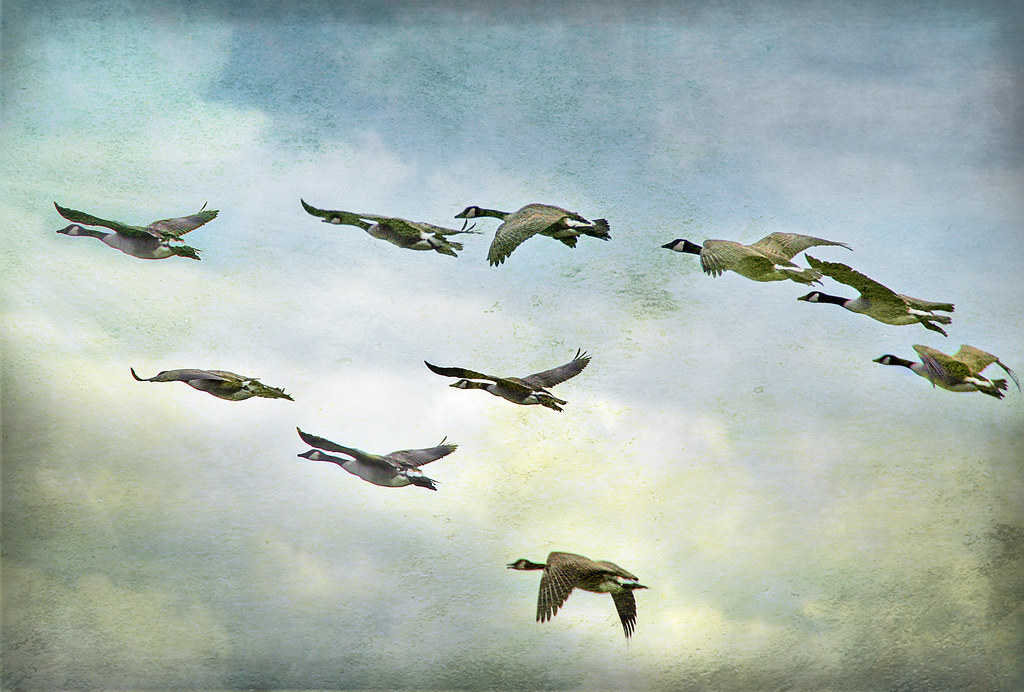
Wild Geese – by Mary Oliver

You do not have to be good.
You do not have to walk on your knees
for a hundred miles through the desert, repenting.
You only have to let the soft animal of your body love what it loves.
Tell me about despair, yours, and I will tell you mine.
Meanwhile the world goes on.
Meanwhile the sun and the clear pebbles of the rain
are moving across the landscapes,
over the prairies and the deep trees,
the mountains and the rivers.
Meanwhile the wild geese, high in the clean blue air,
are heading home again.
Whoever you are, no matter how lonely,
the world offers itself to your imagination,
calls to you like the wild geese, harsh and exciting-
over and over announcing your place
in the family of things.

https://www.flickr.com/photos/calliope/5300846002


Release of Award Winning Short Film ‘Emmi’

RELEASE OF FILM

Andy and I are now happy to release the film for general viewing so see below. However it carries a  health warning – Emmi is a dark drama about 4 women in a block of flats over 1 night and is based on a newspaper article I read in 1993 which haunted me.  It is a film I would like to see used as a catalyst for discussion especially amongst 6th formers.


AWARDS

I’m very proud to add this award from ScreenTalk for best short Oxfordshire Film 2019.  As well as being nominated in over 20 festivals,  Emmi was also voted as the audience choice award at the London Rolling Film Festival in 2017 and as best Drama for the Oniros June award in 2017.

Audience choice award – Susie with Andy, Aidan, Peter and Lara

Susie Stead and Natalie Martins (award winning actress who plays Emmi)


BEGINNINGS – THE SCRIPT GETS CHOSEN

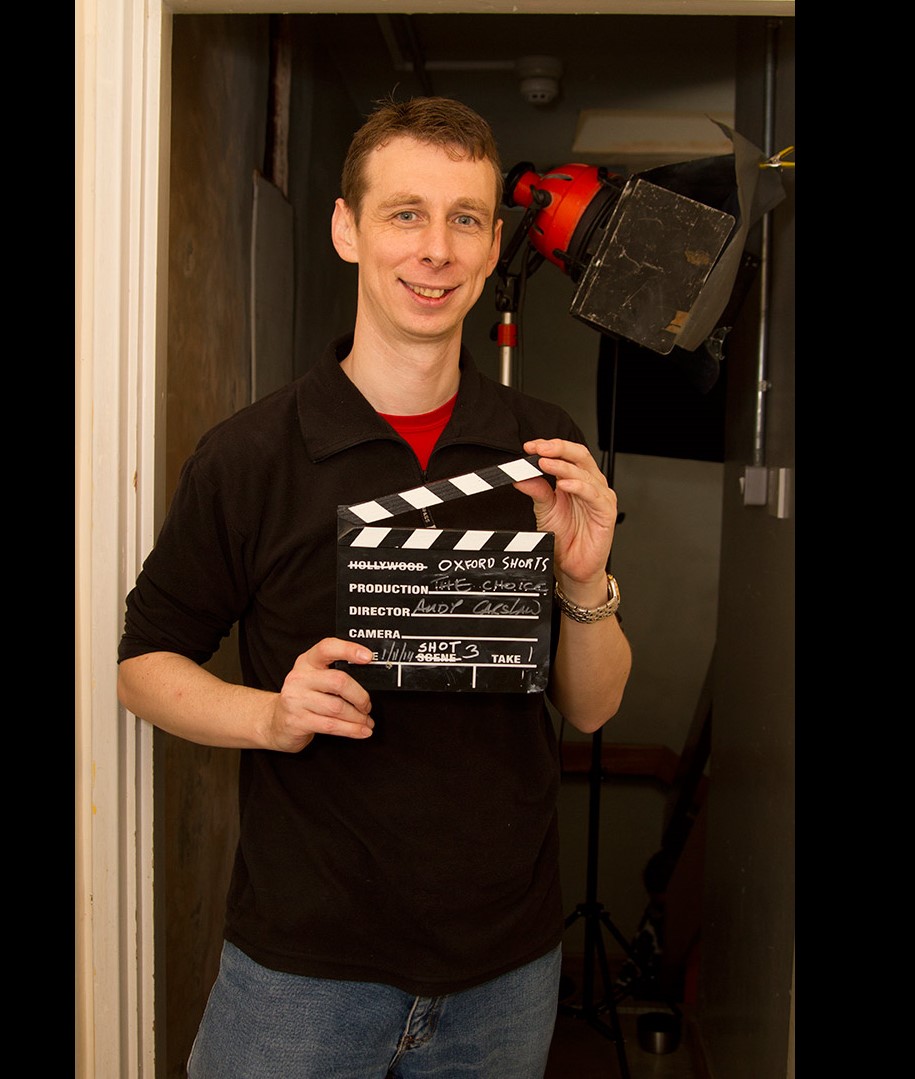
I brought the script of Emmi to a Film Oxford Production Group meeting where people voted which film they wanted to be involved in.  Emmi was one of 4 successful ones.  At that event I met Andy Carslaw who eventually became the director of the film and who carried the same vision for it as I did.  He has also become a good friend 🙂


FROM DRAFT TO FINAL VERSION

Emmi is only 10 minutes long but I wrote at least 10 drafts, most of them more like 15-20 minutes long.  People liked it but felt it was too dark so I wrote versions which were ‘happier’ or offered alternative endings in the style of the film ‘Sliding Doors’ with Gwyneth Paltrow.


RAISING MONEY!

We raised some money by putting on an evening called ‘Grim Shorts’ with films, food and music (what’s not to like?!).  Other than that Andy and I split the costs

(thanks to my mum for her contribution).  It cost us around £1000 to make this film.


THE PRODUCTION PROCESS

Andy and I decided to pay for the actresses, auditioned and were delighted to find Natalie Martins, Amy Harris, Gillian Kirkpatrick and Rachel Pooley (all from London).  Thank you to all of you!  Also thank to the whole team who supported this, supplied with food and tea and lovely cakes from Laura!

Finding the different venues to film was a challenge.  The underpass scene is filmed by the mini plant at Cowley and it really is as unpleasant as it looks.  Film Oxford helped us get the required permissions to film there and I was given the job of filling out the risk assessment forms which I had no idea about but in the end found quite amusing:  eg, there was the possibility of the ‘public tripping or bumping into equipment or cast’ – the answer was to film early in the morning and have someone on look-out for ‘the public’.

Our ‘hoodies’ all looked too nice so Diego Carvalho our wonderful make-up man transformed them. He’s more interested in zombie films but very kindly supported our project!

Lara Stead (my daughter!) with Ben Gooding and Adam Gilday

Diego – make-up artist extraordinaire

Finding a dodgy looking staircase that we could film in was harder than you might think.  The one we found had a skylight that needed covering so Danny, one of our cameramen got onto the roof and managed to cover it without the caretaker seeing.   We then had to film in a very tight space with a camera crew, 3 actresses, a baby and a cat.

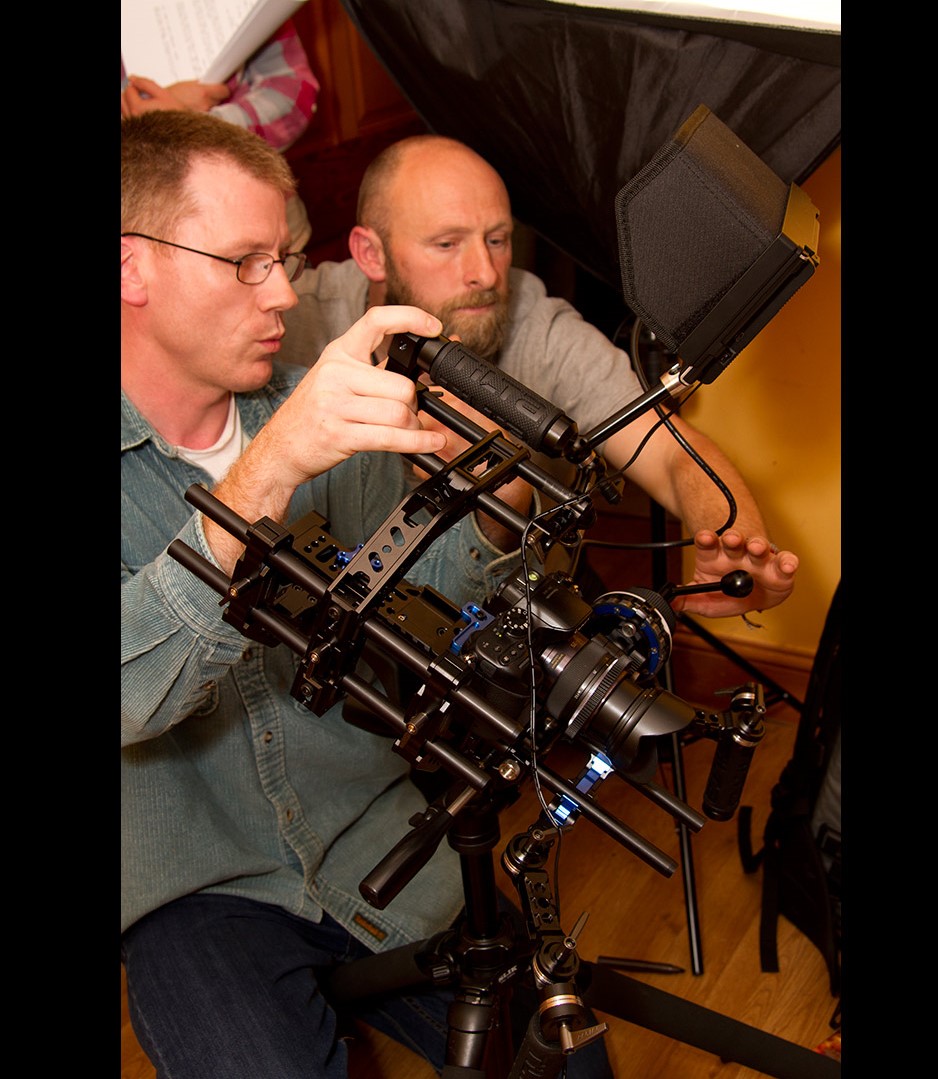
Danny & Phil in a tight space


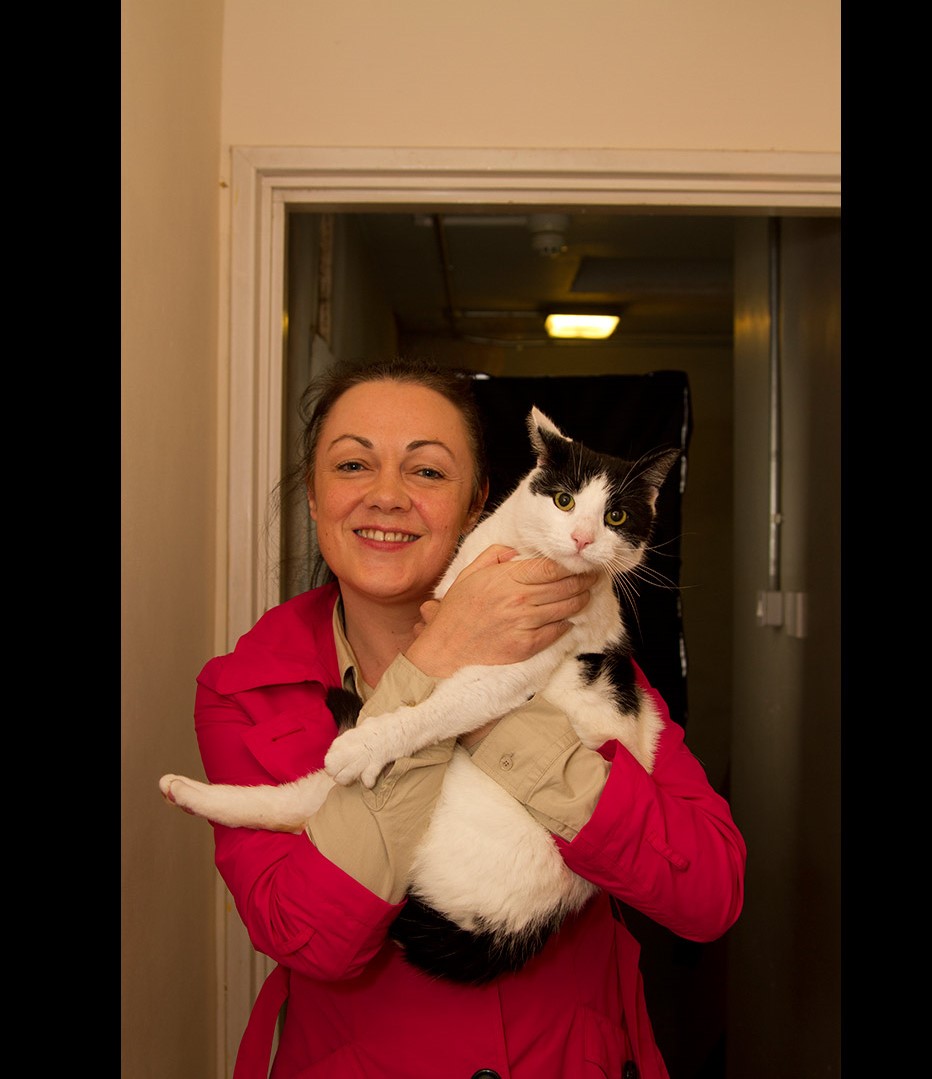
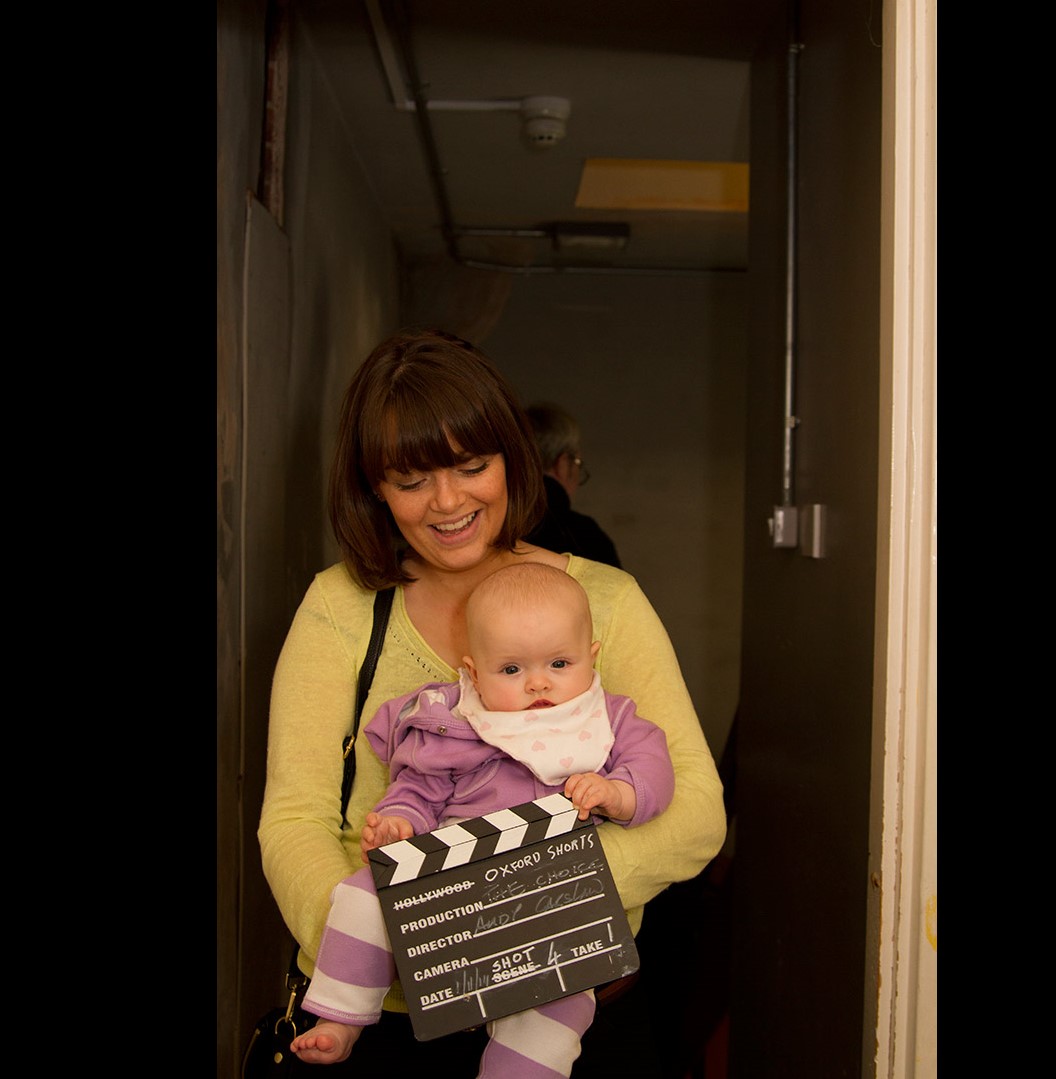
Baby Isis, was totally at peace with everyone, sitting happily with her mother as loud swearing boomed out. The cat was a delight but tended to disappear to the bottom of the stairwell when it had had enough.

At one point we discovered we only had the half the time we were expecting to film and this sent Andy into hyperspace.  A manic look came into his eyes and all extra niceties got stripped.  I was struck by the level of creativity that emerged when we needed suddenly to have a set of locks or a wallpapered hall (particular thanks to Adam Radley and Alex Abbey-Taylor!)

We needed to film outside a ‘grubby’ block of flats but it was all too neat.  Members of the crew disappeared and with frightening speed returned with a mass of detritus:  old fridges, mattresses, bags of rubbish.  The caretaker was not happy!

We spent 3 wonderful, funny and exhausting days filming – 3 days for a 10-minute short!  Thank you everyone involved for making it a pleasure.


FINAL PRODUCT

Nothing happened then for 18 months (!) because no-one had time to do the editing and we didn’t want to pay someone huge amounts. Also, we couldn’t decide which bits to cut and which to keep.  In the end Andy went on an intense editing weekend, came back and pared the film down to its bones.  I’d been busily coming up with complicated alternatives but when he showed it me all I could say was ‘Shit!  You’re right!’  And he was.


We did pay for some post production with the sound and Kevin from Oxford Audio Post Production did us a great deal.  This was very important as some of the sound is dodgy especially that filmed on the staircase.


COMPETITIONS and HIGHLIGHTS

We had a lot fun entering competitions – It’s very addictive and ends up costing a lot of money so beware!  Andy and I knew that this was never going to be a crowd pleaser so we’ve been really delighted by the number of nominations we’ve received for competitions and the awards we gained.


A highlight was Southampton Film Festival where our film was shown alongside the now Oscar nominated “Silent Child” about a deaf child.  It is utterly beautiful.  Watch it.  The festival took place over a weekend where we watched films, were taken on a ‘ghost’ tour of the city and mixed with other film makers at a 3-course dinner.  Such a pleasure!

OTHER PROJECTS

I have ideas for other films, just need the time and connections to make them happen.  I’ve been told to write something funny this time!   My idea of a funny film is a dark humour piece about someone stalking a planning officer after having their planning permission refused over and over again…

I also want to write a mythic piece called ‘The Linden Tree’ and a sort of psycho/zombie horror piece which I literally dreamt about.  I have material for a TV series something on the lines of ‘Rev’ about a church I was part of that slept the homeless and I’d like to do a tele-documentary about the awkward 18 year friendship I had with someone who suffered from serious mental health issues.  I started as a naive do-gooder, became frustrated with him and myself and then discovered he’d become a friend and was shaken with grief when he died last year.

If you’re a producer/director, you’re interested and you and have some access to funds, let me know!


Breaking Free and Shedding a Skin – Part 2

It’s worth it!

Sometimes in order to break free, to grow, we need to shed the skin of our lives. Snakes shed their skins as they grow.  Maybe they have something to teach us.

Back in October 2017, after 23 years, Tim and I decided that we’d stop being a vicar and vicar’s wife.  In April this year we left an entire way of life, a community and the vicarage where we’d lived for the last 10 years.  In March, after further reading on how snakes shed their skins, I wrote the poem below.


SHEDDING YOUR SKIN – PART 2


The skin has come off.

It lies there coiled on the floor.


The hardest bit was starting

At the head.

Rubbing at 30 years of habit.

Worrying it, dislodging

thick protective certainties.

Finding the sharp necessary stones

To pierce the old skin.


That first breaking!

That relief!

                      Beginning to breathe easily                     .

Smarting with the rawness.

Then, seeing more clearly

How trapped I’ve been.

Rage rising

Spitting out of me, spurring me on.


Tearing, scratching, I look around for help,

Some cannot see the problem,

Others irritate and poke.

But there are those who celebrate,

Thank you!

Affirming, soothing, loving,

They apply a gentle pressure for me

To pull against.


Then the slow, slow, moving

Wrinkle by wrinkle out of the casing.

Cell by cell

Whole sections peeling off gloriously

While others snap and tear.

The tail snatches at the last of the skin

Trying to find a purchase

But it’s too late. I’m out.

I am out.


I stretch and feel the rippling flex of flesh

No tightness at the eyes.

Or pressure on the chest.

The vast expanse of ‘new’

Is fresh and frightening.


The old skin lies useless,

dry, translucent,

Beautiful designs

Etched into the calcified cells.


I need to rest and hide awhile.

I leave the old skin behind.


I don’t look back.


Breaking Free and Shedding a Skin – Part 1

Do you ever get that feeling? You want to break free, move-on but you feel trapped, you don’t know how to make the break, what to do.  Four years ago, I was in that place.

In November 2014, I wrote:  I wake today and the voices come from all directions in disarray.  I should have, why didn’t I, he’s so much better,  I feel cramped,  I feel trapped,  I’m not trapped,  I’m fortunate, lucky.  I’m stressed but I can’t be stressed,  I’m tired but I have no right to be,  I’m a failure but I was given all the chances. 

In December 2014 I wrote this poem:


ON SHEDDING YOUR SKIN

I was down and low.

My life an untidy room with

No Door.

But inside I’m growing

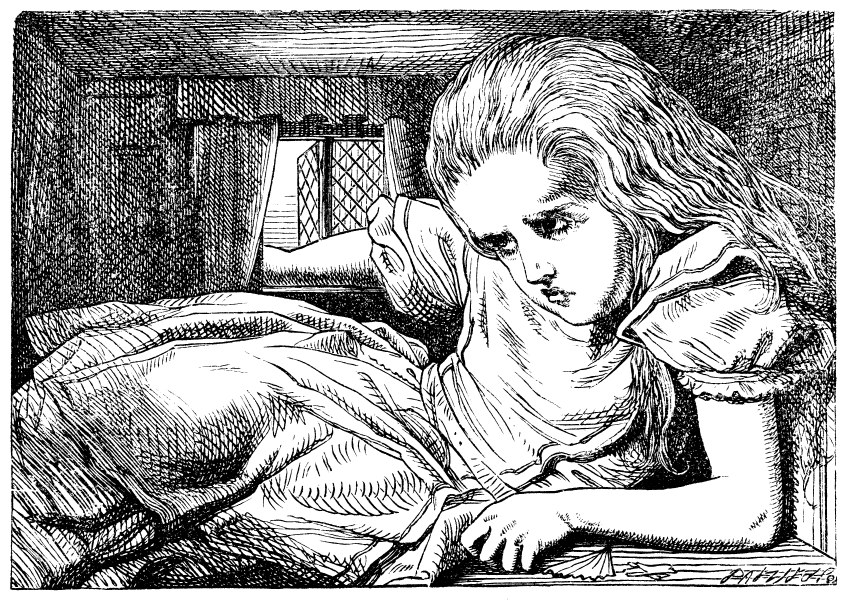
Like Alice.

The room is getting too small.

Way too small.

It has become an old skin

That has to go.

I shake my head and start to scratch.

[https://wonderopolis.org/wonder/why-do-snakes-shed-their-skin]


I didn’t know how my life was going to change or how I would shed this skin but it dawned on me that I had shed skins before. That last one with all the intricate interplay of lines – the choppy, changing patterns of young motherhood,  a stressed partner with his hair cropped short, religious certainties, Duplo bricks, primary school, children’s boots.  The smell of my daughter’s breath in her first bed.

My skin.

And now this one. By the end of 2014, my last child had turned 18, my partner had a beard and long hair and was sorting his stress through mindfulness. I’d been creating drama, organising alternative evening services in church, working with kids, chasing teenagers, worrying late at night, chafing at the theology of church, angsting at my age and lack of income.
Youtube videos tell me that to help a snake get started, give it a nice long bath or some E45 to soften the skin.

My preparation had been to practice mindfulness for the previous 3 years.  I’d started it because I wanted to ‘fall awake’ to my life (Jon Kabat-Zinn).  The thing about ‘falling awake’ is that you wake up both to the good and the bad.  Fortunately the non-judgement and compassion of mindfulness softened me enough to allow me to look at what was going on.  But where to start?

With snakes the shedding has to begin with the head.  They push their heads against any hard-scratchy surface to get some leverage, some motion.

I chose some sessions with a psychotherapist.

Snakes can get vulnerable and aggressive during the process.

Yup.


I’d been brought up in an ex-pat patriarchal setting.  There were 2 cardinal rules for a woman:

  • Other people come first and
  • Never openly confront or upset people even if they’re screwing you over – its rude.

Becoming a Christian and a vicar’s wife re-enforced these. Jesus said ‘love others as you love yourself’ but the second part of the sentence always got guillotined.

As I became more aware of this, the irritation grew and the skin felt tighter.  And tighter.

For several years I’d been angry with the Church’s attitude to women but now I also woke up to the realisation that all talk about God was male.  And I’d bought into this for over 30 years.

The shed had begun and it began in my head.

I was waking up.


VOICES OF PASSION – DRAMA FOR GOOD FRIDAY

WHERE IS GOD IN SUFFERING AND LOSS?

It was Corrie Ten Boom, a Dutch christian who ended up in Ravensbruck Concentration camp during the Second World War for helping Jewish people, who said:

“There is no pit so deep that God’s love is not deeper still.”

On Good Friday this year, we’re going to follow two people who were there on Jesus’s walk to the cross and his death: Simon of Cyrene, who was forced to help carry Jesus’ cross, and Mary, Jesus’s mother, who stayed with him and watched him die. We will also explore two modern counterparts to Simon and Mary. These modern stories are fictional but they’re based on my own and friends’ experiences.

Modern Simon or Simone as I’ve called her is a carer having to look after a sick old man, Bill. About 12 years ago I knew a beautiful free-spirited elderly woman called Marian who succumbed to dementia and I cried when I had to drive her to the care home where she was to be locked in. The character of Bill is based on her.

Modern Mary is a woman who is told her baby will not survive after birth. Years ago I read a newspaper article where a couple in hospital, were given their newborn baby, told she would not survive more than an hour and left there. A good friend of mine who has suffered a great deal in the process of seeking to have children, helped in editing this piece. Another good friend who knows about suffering will play the part.

If you’re in Oxford please come along. There are four actors: 2 are professional, 1 is at drama college and 1 is simply the right person for the part. Our church music group will sing some gentle songs to accompany this.

The drama will take place from 1pm to 1.30pm at Holy Trinity Church, Headington Quarry, Oxford OX3 8LH

There will be a Good Friday service in the church from 2pm for those who wish to stay.

poster 2018 V of P pdf